 Free International Shipping
BLOG
Welcome to your hub for practical parenting insights

The Power of Visual Stimulation in Early Development
Our renowned pediatrician prof. dr. sc. Milivoj Jovančević explains how early sensory experiences, and especially high-contrast visual stimulation, support your baby’s brain development, emotional bonding, and communication skills.
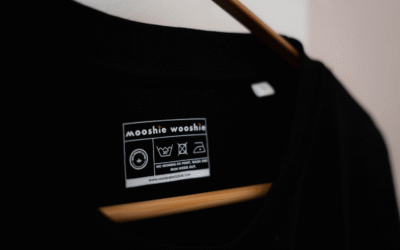
T-Shirt behind our brand – organic, ethical, and made to last
Our T-shirts are made from 100% organic cotton and certified by GOTS, OEKO-TEX®, and more. Ethically produced, skin-safe, and vegan, offering comfort with a conscience in every stitch.

7 Summer Sensory Play Ideas for Babies
Looking for easy and enriching summer activities for your baby? These 7 sensory play ideas use nature, water, textures, and movement to support brain development and create beautiful bonding moments.
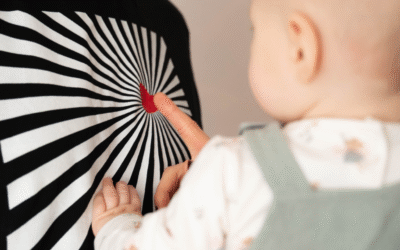
Sensory Integration: The Key Senses in the First Year
Discover how your baby’s brain develops through early sensory experiences. Learn about key senses like touch, movement, and body awareness, and support sensory integration with simple tips based on Jean Ayres’ research.
PEKiP: Learning and Letting Learn – Right from the Start
The PEKiP program supports infants’ motor, sensory, and social development through guided play in small groups. Mooshie Wooshie partners with PEKiP to enrich sessions with high-contrast visual stimulation.
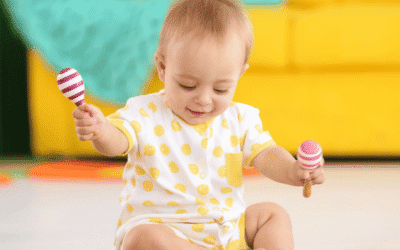
How Your Baby’s Vision Shapes Brain, Movement & Emotional Growth
Early visual experiences play a crucial role in shaping your baby’s brain growth and sensory development. Stimulating sight supports cognitive milestones and lays a strong foundation for learning and exploration.
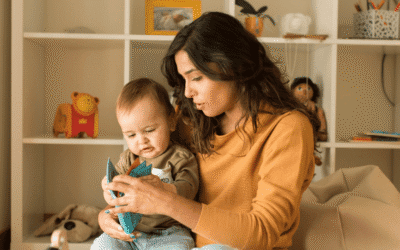
Knowledge and Trust: Key Ingredients for Healthy Baby Development
Newborns need security through contact and care. Their senses develop rapidly, seeking stimuli at their own pace. Caregivers must observe and balance stimulation to support growth without overwhelming.
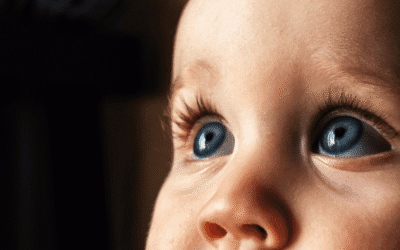
Baby Vision Development: Short Guide
A baby’s vision grows rapidly after birth. From seeing clearly at 20–30 cm to recognising faces and movement, early visual experiences shape brain development and support learning through interaction.